





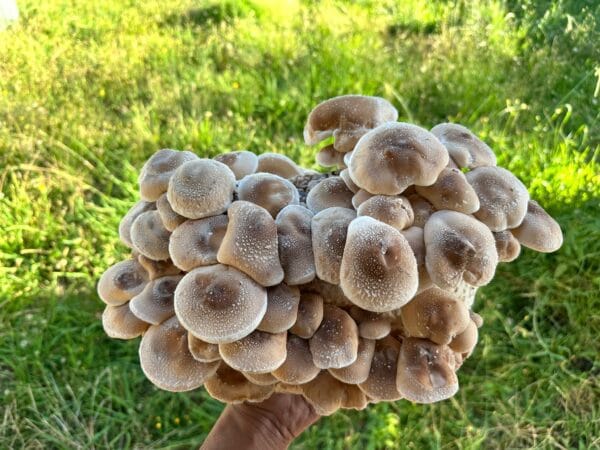
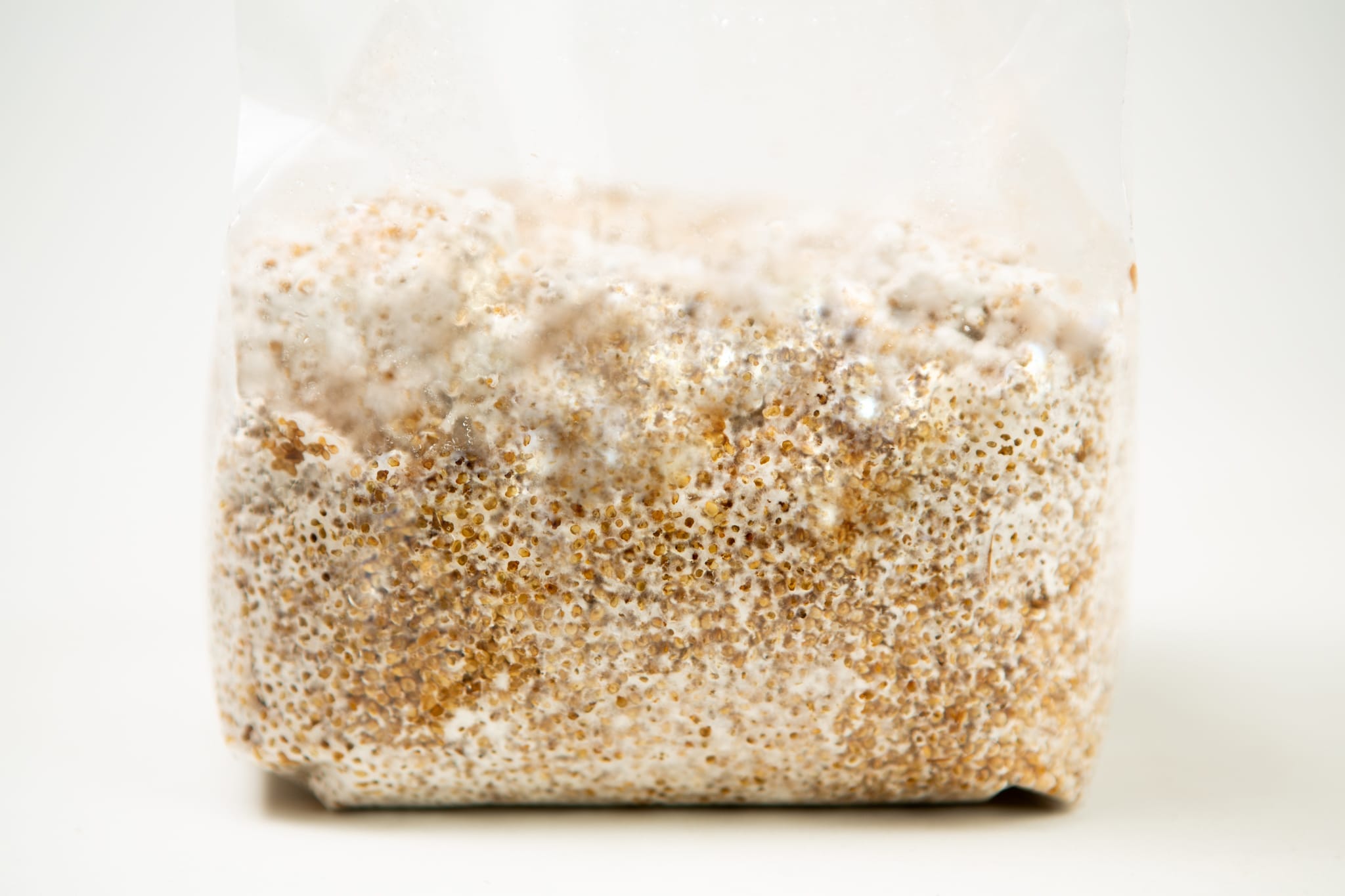
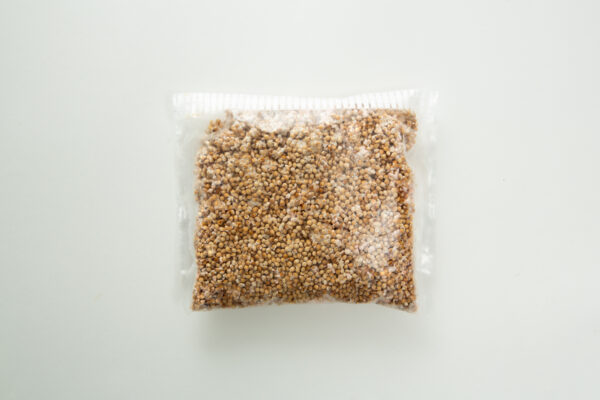
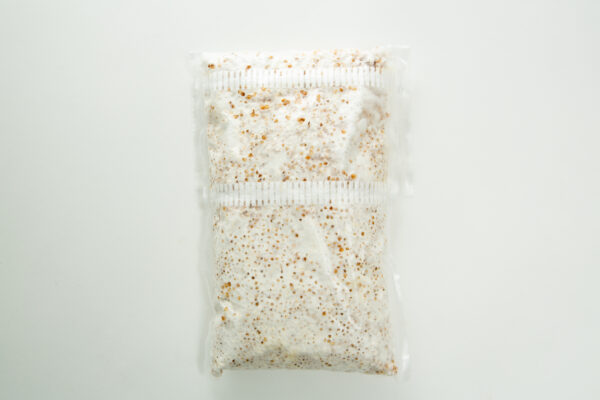
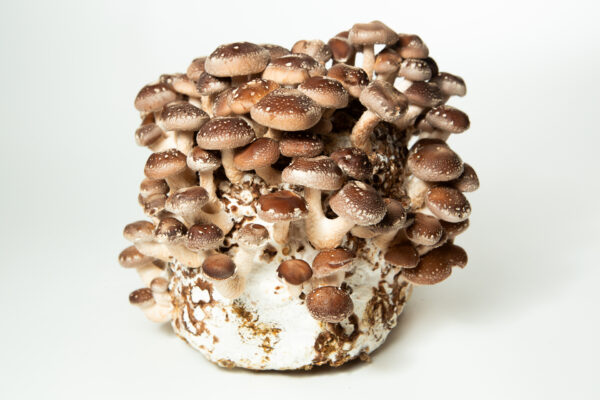

Shiitake –3782 (Lentinula edodes) Gourmet & Medicinal. Wood-loving Species. Also known as black forest mushroom. Top fruiting. Fruiting temp: 7°-21°C
Rootlab is currently transitioning from Millet to Rye, so some spawn may be delivered on organic Rye instead of the advertised Millet.
Check out all the variety of Grain Spawn on offer.
Did you know that we sell Mushroom culture in form of Liquid culture, Log plug dowel spawn, Agar plate, Mushroom grain spawn, Sawdust Substrate and as Mushroom Growing Kits?.
Looking for growing mushrooms in Buckets? Check our store to find everything you may need.
Permit Details: We are authorized to import cultures under the permit granted to us under Biosecurity Act 2015, Section 179 (1).
Please find the list of permitted species.
We can send a variety of cultures to all regions in Australia.
Regions We Ship To:
This Products is shipped from Marrickville, Sydney.
Shipping Cost and Time—The shipping cost will be displayed on the checkout screen.
Handling Time—Packages typically takes 0-3 days to prepare for shipment. Unless otherwise stated as ‘Lead time’ on the listing as something different.
Please note that handling time may vary, especially during busy holidays or sale period.
Certain products, like Colonised agar plates or Sawdust spawn, Spray and grow kit, have longer handling times as they are made to order.
Available on request
 Easy
Easy
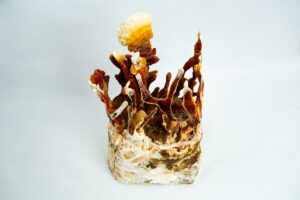 Easy
Easy
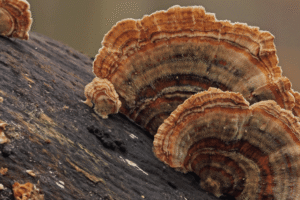 Intermediate
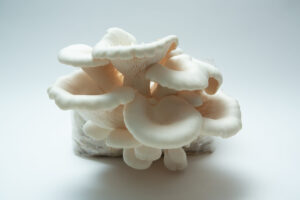 Easy
Easy
We're always here to help. If you'd rather dig in yourself, our Learning Centre is packed with guides on inoculation, fruiting, and troubleshooting.

Join the mushroom revolution and sign up to unlock a discount on your first order.

Sign up to our SMS/WhatsApp list and we'll text you with the biggest sales and alerts.
No thanks
Welcome to the Rootlab community! You've unlocked access to:

Plus 5% off your first order — check your inbox!